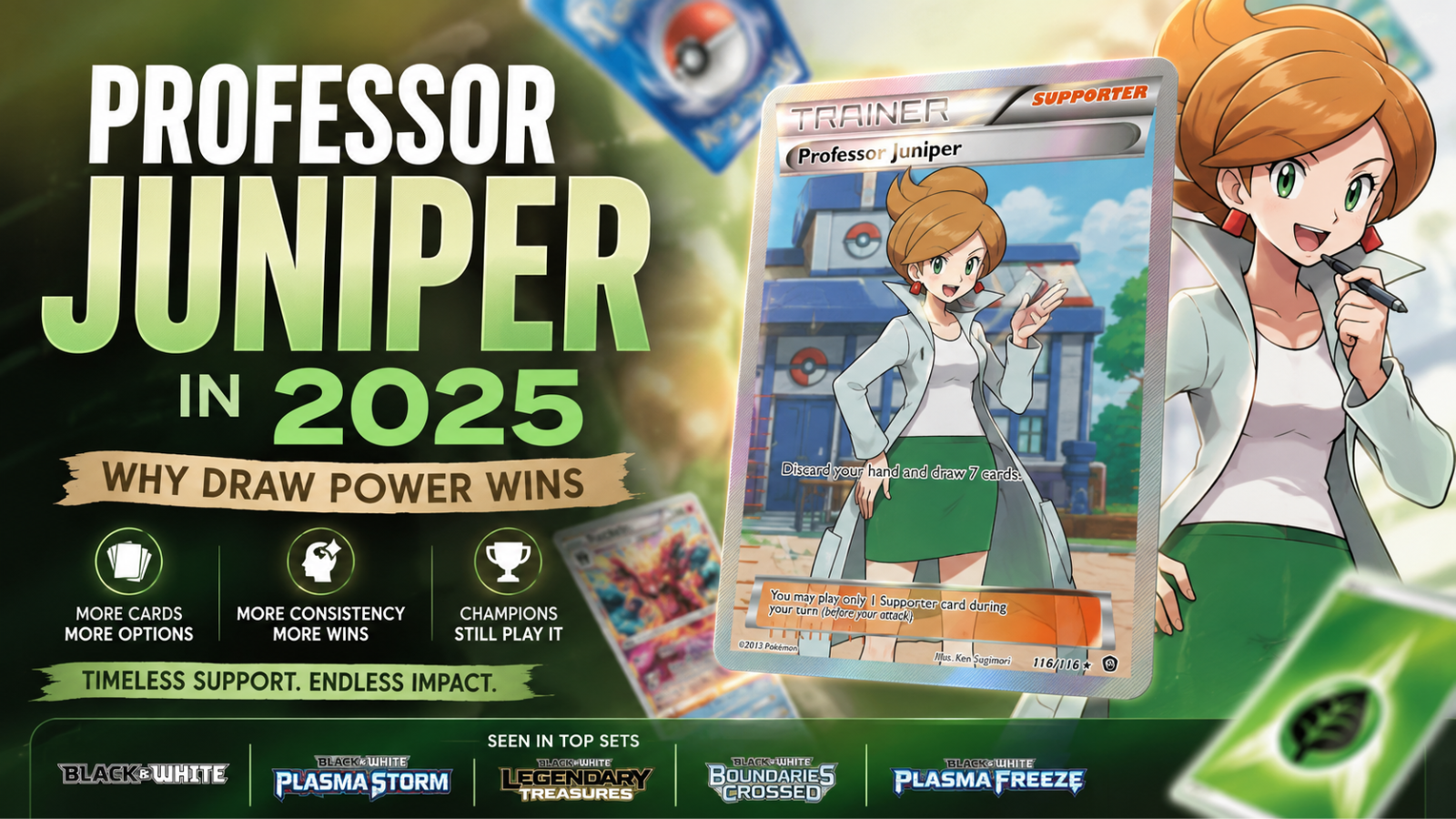
If you want to win more Pokémon TCG games, you need a reliable way to find the right cards at the right time. That is why Professor Juniper has remained such an important benchmark for competitive deckbuilding: strong draw power creates consistency, and consistency creates wins.
Even in a format shaped by newer expansions like Black Bolt and White Flare, the core lesson has not changed. The decks that set up fastest, recover cleanly, and keep their options open are usually the decks that perform best in real tournament rounds.
Why Professor Juniper Still Teaches the Right Lesson
Professor Juniper is one of the clearest examples of what competitive draw support is supposed to do. In the Pokémon TCG, powerful Supporters often ask you to trade resources for velocity, and that trade is usually worth it when your deck is built to convert cards into tempo quickly.
For newer players, the big idea is simple: drawing more cards helps you assemble your opening plan. For advanced players, the deeper lesson is that discard-based draw can be even stronger because it reshapes your hand instead of merely adding to it. You are not just seeing more cards; you are filtering away the wrong ones and increasing the odds of accessing the exact combo piece, Energy card, or switch option you need.
That is why old lessons from cards like Professor Juniper still matter in 2025. The name may represent an earlier era, but the strategy behind it is timeless: if your deck can turn a fresh hand into a better board state, you are applying pressure before your opponent can stabilize.
How Discard-Based Draw Creates Consistency
The biggest strength of discard-based draw is that it reduces hand clutter. Many games are lost not because players had no cards, but because they had too many unusable cards in the wrong order. A full hand is not always a good hand.
When you play a Supporter in the Professor Juniper style, you accept that some cards will go away in exchange for new opportunities. That matters especially in decks that want to play aggressively, attach Energy early, and keep attacking without falling behind on setup. If your strategy rewards speed more than long-term hoarding, then a draw-heavy plan is often the best plan.
Here is why that matters in practice:
- Deck thinning: Every card you draw reduces the number of unknowns in your deck, which improves future draw quality.
- Hand reset: You can escape awkward opening hands and reduce the risk of being stuck with situational cards.
- Combo access: More cards seen early means a higher chance of finding your key search, Energy, or mobility pieces.
- Tempo advantage: A player who attacks first and continues attacking often forces the opponent to spend turns catching up.
This is one reason many competitive players evaluate draw Supporters by asking one question: how often does this card help me do something meaningful this turn? That question applies whether you are piloting a beginner-friendly list or a refined tournament build built around Black Bolt and White Flare cards.
Sequencing: How Advanced Players Maximize a Draw Turn
Sequencing is where good players become great players. Even a strong draw Supporter can be misused if you play it too early, too late, or without considering what your other actions could accomplish first.
Before you commit to a full hand refresh, ask yourself a few questions:
- Can I play an Item, attach Energy, or use an Ability that improves my hand before I draw?
- Do I need to preserve a card in hand for next turn, or is it better to discard it now and dig deeper?
- Am I trying to set up an immediate attack, or am I planning one turn ahead?
For example, if you have a search card that can find a Basic Pokémon or a key piece of setup, it is often better to use that first before drawing. Why? Because every card you remove from the deck changes the composition of what you might draw into. This is a major reason deck thinning is such an important concept in tournament play.
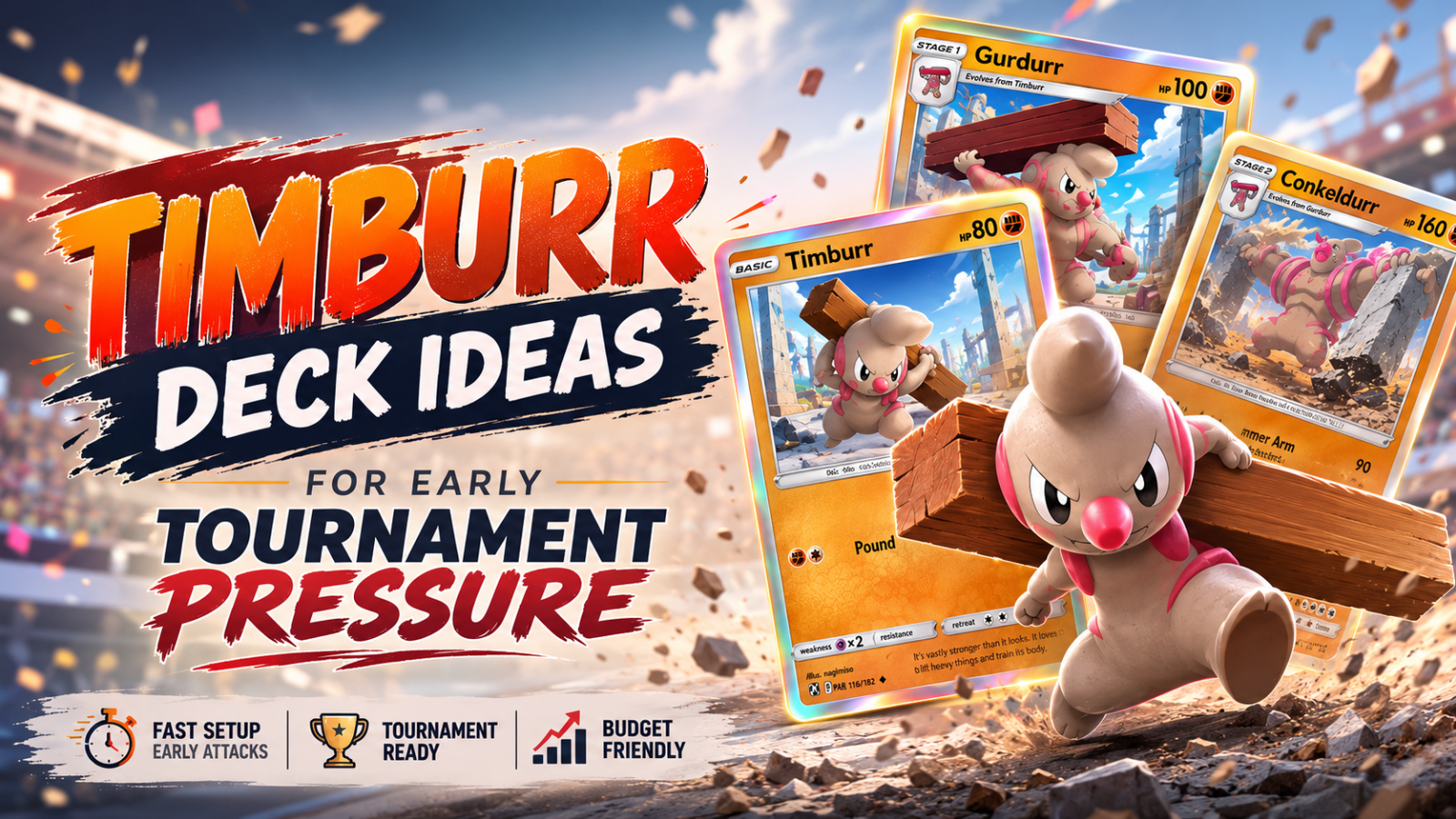
Players looking to build better early turns can also study aggressive board development patterns in articles like Timburr Deck Ideas for Early Tournament Pressure. While that article focuses on pressure tools, the underlying principle is similar: get your setup moving quickly so your draw cards convert into real game actions.
Deck Thinning, Resource Management, and the Long Game
One of the most overlooked advantages of a draw-focused Supporter is how it changes your future turns. When you discard cards early, you are often not losing resources—you are deciding which resources matter less in the current game state.
This is especially true in decks that can recycle cards, search for specific pieces, or function with a leaner core plan. If your strategy has multiple ways to find Energy or utility cards, then discarding extras is often correct because you are increasing the density of the cards that actually matter.
Resource management becomes even more important in matchups where the game can go long. A player who burns through every card too quickly without a plan may run out of follow-up. A player who uses Professor Juniper at the right moment, however, can maintain pressure while still keeping enough tools to close the game later.
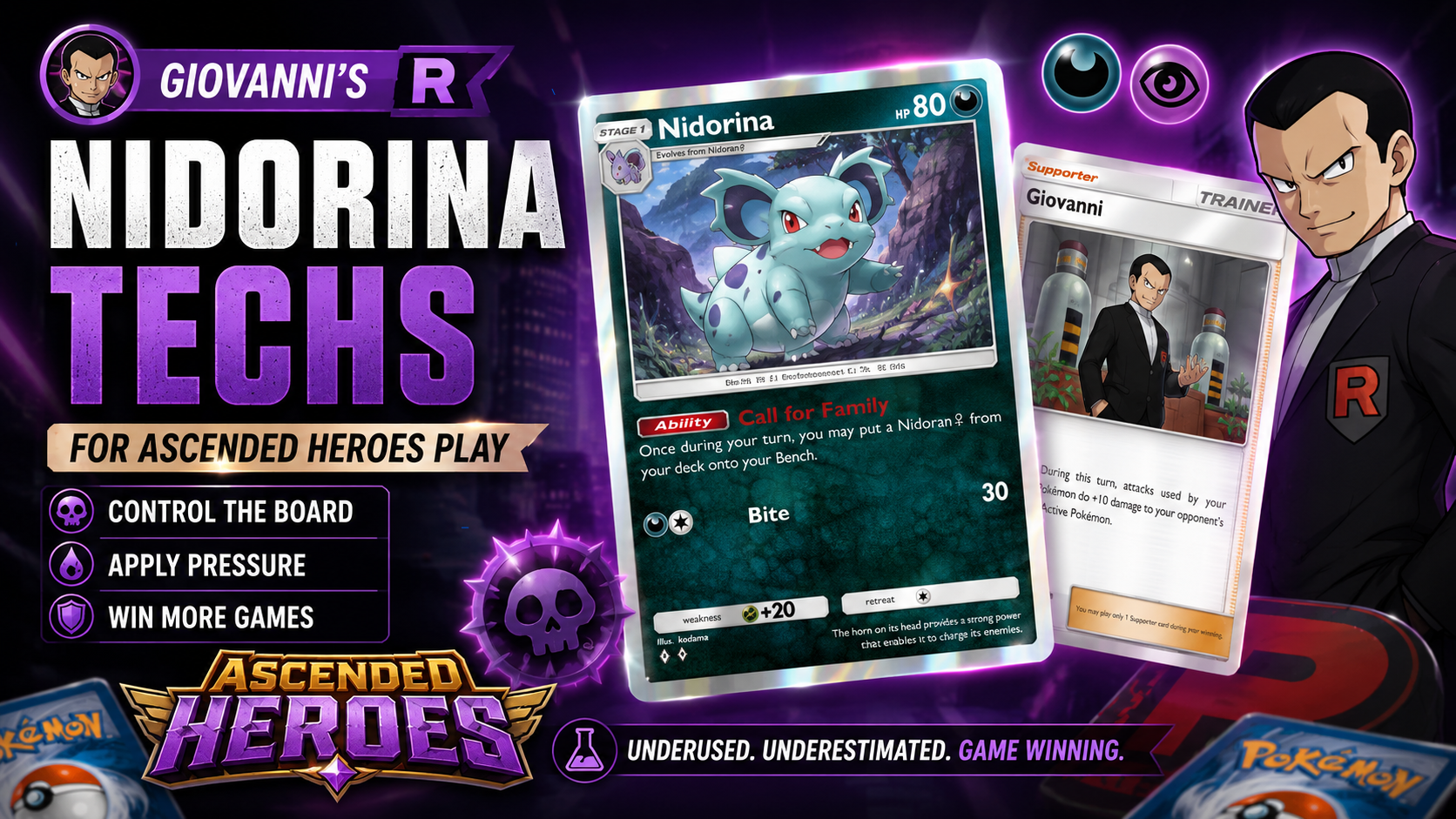
That balance is also worth studying if you are exploring matchup-specific play patterns in control-heavy or disruption-heavy games. For more examples of how turn structure affects real matches, see Giovanni’s Nidorina Matchups: Winning Play Patterns. The broader lesson is the same: knowing what to keep, what to discard, and when to press the reset button decides many close games.
How Black Bolt and White Flare Fit the Modern Picture
Newer expansions like Black Bolt and White Flare remind players that the competitive environment keeps changing, but consistency remains valuable no matter what new cards arrive. When a format introduces faster attackers, stronger setup tools, or more specialized decks, draw power becomes even more important because players need to assemble answers on time.
In practical terms, this means a good deck builder does not just ask, “What is the strongest attacker?” They also ask, “How do I make sure I actually find that attacker, its Energy, and the correct support cards?” That is where the Professor Juniper mindset still matters.
For example, if Black Bolt or White Flare introduces a strategy that relies on a specific sequence of cards, then your draw engine must help you access that sequence without clogging your hand. The best competitive lists are not always the flashiest; they are the ones that reliably do the same strong thing over and over.
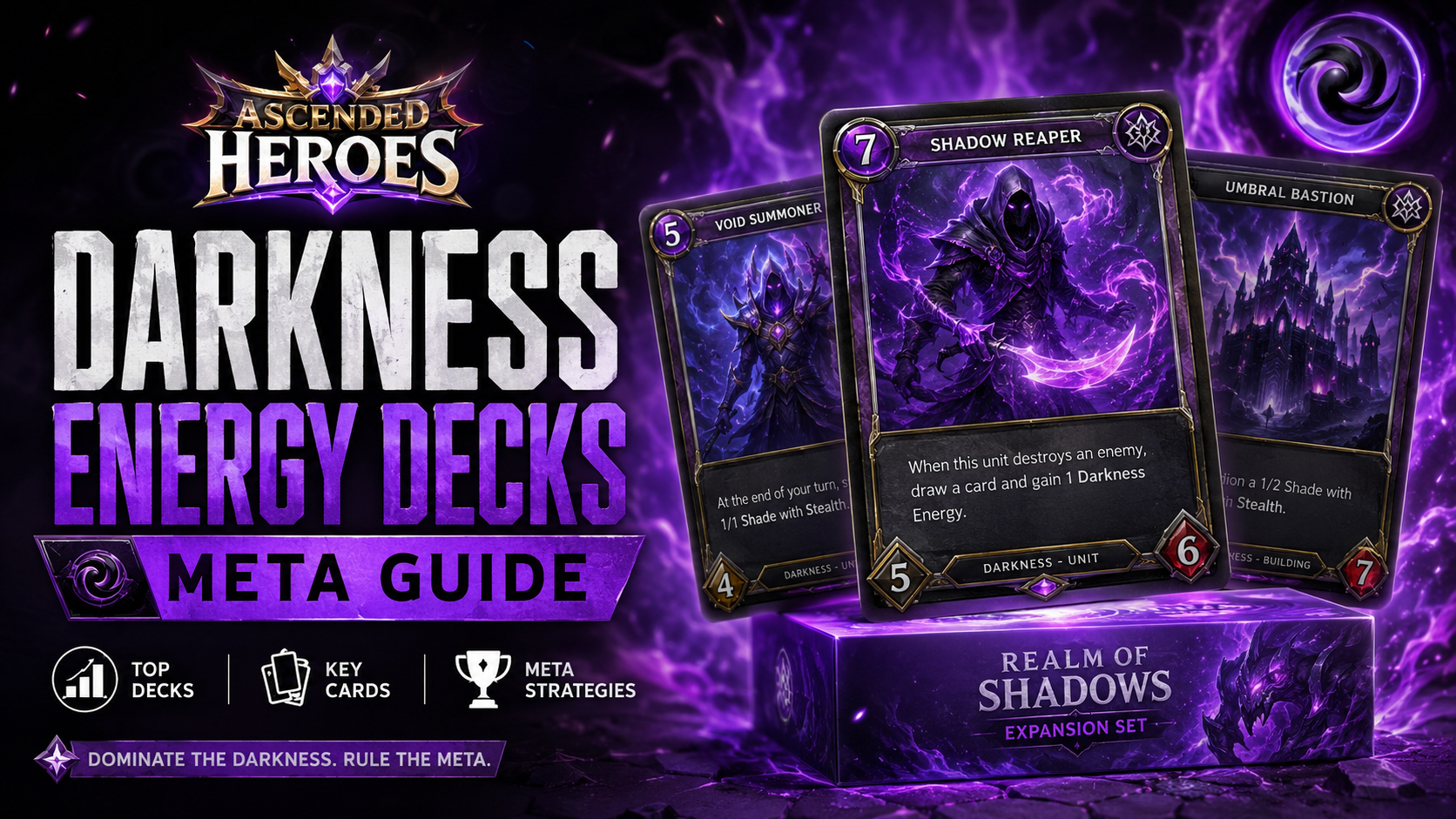
Players who want a deeper look at how an evolving card pool shapes deck building can also review Ascended Heroes Darkness Energy Decks Meta Guide. Even though that guide covers a different archetype, it highlights an important truth: the more precise your game plan, the more valuable efficient draw becomes.
Beginner Mistakes to Avoid with Draw Support
Many newer players understand that draw Supporters are good, but they still misplay them in simple ways. Fixing those habits will improve results quickly.
- Playing draw too early: Sometimes a small setup play first gives you a much better draw outcome.
- Keeping dead cards too long: If a card does not help your current plan, it may be better to discard it and improve your hand quality.
- Not planning ahead: A draw card should support your next two turns, not just this turn.
- Ignoring board state: If you already have a strong board, you may want to preserve certain resources instead of chasing unnecessary cards.
If you are building your first tournament deck, think of Professor Juniper as a lesson in tradeoffs. Strong draw is not just about seeing more cards; it is about seeing the right cards sooner, even if that means losing a few cards you would rather keep in your hand.
Conclusion: Consistency Is Still the Best Win Condition
In 2025, the Pokémon TCG still rewards players who understand one basic truth: the best deck is often the one that functions most consistently. That is why Professor Juniper remains such a powerful teaching example, even as newer cards from Black Bolt and White Flare reshape the metagame.
If you are new to competitive play, start by focusing on how draw Supporters improve your setup. If you are more experienced, focus on sequencing, deck thinning, and resource management so your hand refreshes turn into immediate pressure. The more intentionally you use your draw turns, the more often your deck will feel smooth instead of clunky.
Want to improve your own list? Review your Supporter counts, test your opening turns, and watch how often your draw cards turn dead hands into winning lines. Consistency wins tournaments, and mastering that lesson is one of the fastest ways to level up as a Pokémon player.
For more deckbuilding and matchup strategy, explore related guides on cardflippr.com and keep refining the systems that make your deck work every round.